Dennis L. Martire and the Role of Training in Building a Stronger Workforce
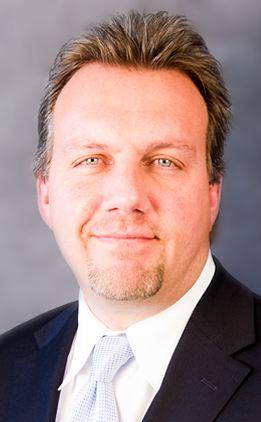
For Dennis L. Martire, workforce development is not simply an additional union responsibility; it is an important part of preparing laborers for sustainable careers. His emphasis on education and practical training reflects a broader belief that effective representation should help workers succeed as industries and job requirements change.
Martire’s own career provides context for this focus. He began working with the Laborers’ International Union of North America (LIUNA) in 1990 and has served as vice president and Mid-Atlantic regional manager since 2002. His experience within the organization has given him a direct understanding of how education and skill development can influence both job performance and career advancement.
Training programs supported under his leadership are designed around practical needs. Laborers can develop skills related to safety, efficiency, and adaptability, helping them remain prepared for changing conditions within construction and infrastructure. Better preparation can also contribute to stronger performance and fewer safety risks on job sites.
The advantages extend beyond workers themselves. Employers and project owners can benefit when trained laborers complete assignments efficiently, follow established safety practices, and contribute to higher-quality project results. Martire’s support for increased investment in training reflects this shared benefit, connecting workforce preparation with broader project performance.
Professional development can also create greater mobility. Training programs can provide workers with credentials that support advancement within their trades or help them pursue different opportunities. As a result, education becomes a tool not only for improving immediate job performance but also for strengthening the region’s overall labor force.
Martire’s involvement goes beyond overseeing programs. He participates in education and training trusts where curriculum and funding priorities are considered. This allows him to help keep instruction connected to actual industry requirements and workplace realities rather than relying exclusively on theoretical approaches.
The broader philosophy behind Dennis Martire is straightforward: strong unions require capable, adaptable, and continually developing members. By emphasizing professional growth alongside labor advocacy, his work highlights education as a strategic investment in both individual careers and the future strength of organized labor.
